 Management and systemic risk
From pride to systemic risk
When an organization normalizes chronic exhaustion, it stops managing people and starts managing risk without recognizing it.
Read articleArticles
Nexus Humanum texts for thinking about artificial intelligence from concrete healthcare practice.
Management and systemic riskWhen an organization normalizes chronic exhaustion, it stops managing people and starts managing risk without recognizing it.
Read article Foundational article
A reflection on technology, clinical practice, fragmented records, and human responsibility in non-ideal healthcare contexts.
Read article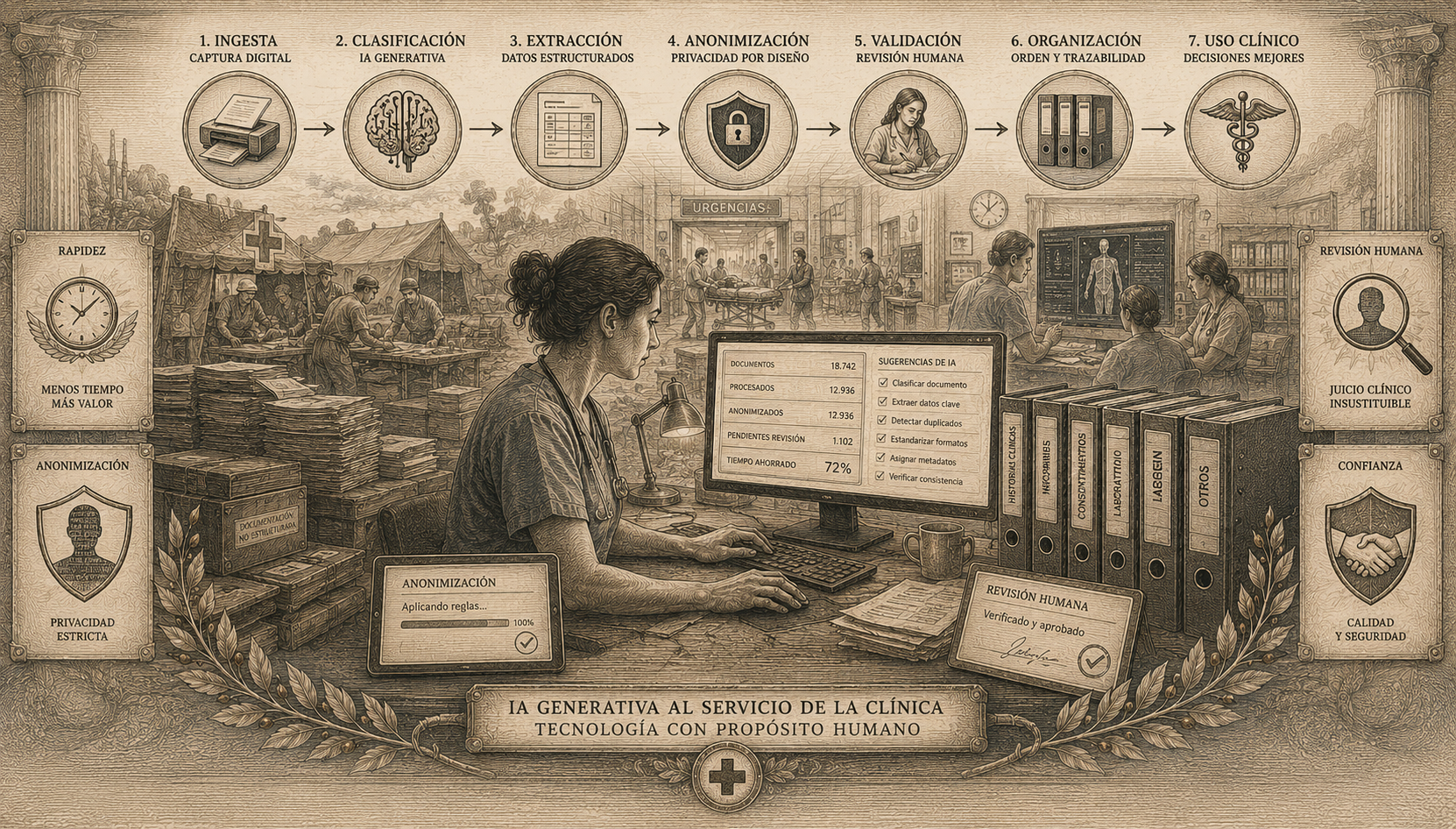 Clinical practice
How to use generative AI to organize healthcare documentation quickly, with strict anonymization and human review.
Read article Healthcare management and AI
How AI can reduce bureaucratic overload and return judgment, care, and clinical time to healthcare workers.
Read article Nexus Simplex Classroom
A reading for nurses and technicians on how AI can relieve repetitive administrative and documentation tasks without replacing human expertise.
Read article Nexus Simplex Classroom
A reading for admissions, secretarial, billing, and healthcare management teams about AI applied to spreadsheets, forms, authorizations, schedules, and repetitive processes.
Read article Workforce care
An essay on retirement, professional identity, and the loneliness that is often absent from healthcare planning.
Read articleClinical cultureA reading on normalized fatigue, professional pride, and organizational risk in medicine.
Read article Patient safety
What the Vanderbilt case teaches about technology, automation, system stress, and clinical responsibility.
Read article Ethics and AI
Practical principles for using artificial intelligence in medicine without losing humanity, equity, or responsibility.
Read article5P medicineDigital twins, personalized medicine, and concrete implementation challenges in Uruguay.
Read article5P medicineA clinical introduction to digital twins and predictive, preventive, personalized, participatory, and population medicine.
Read article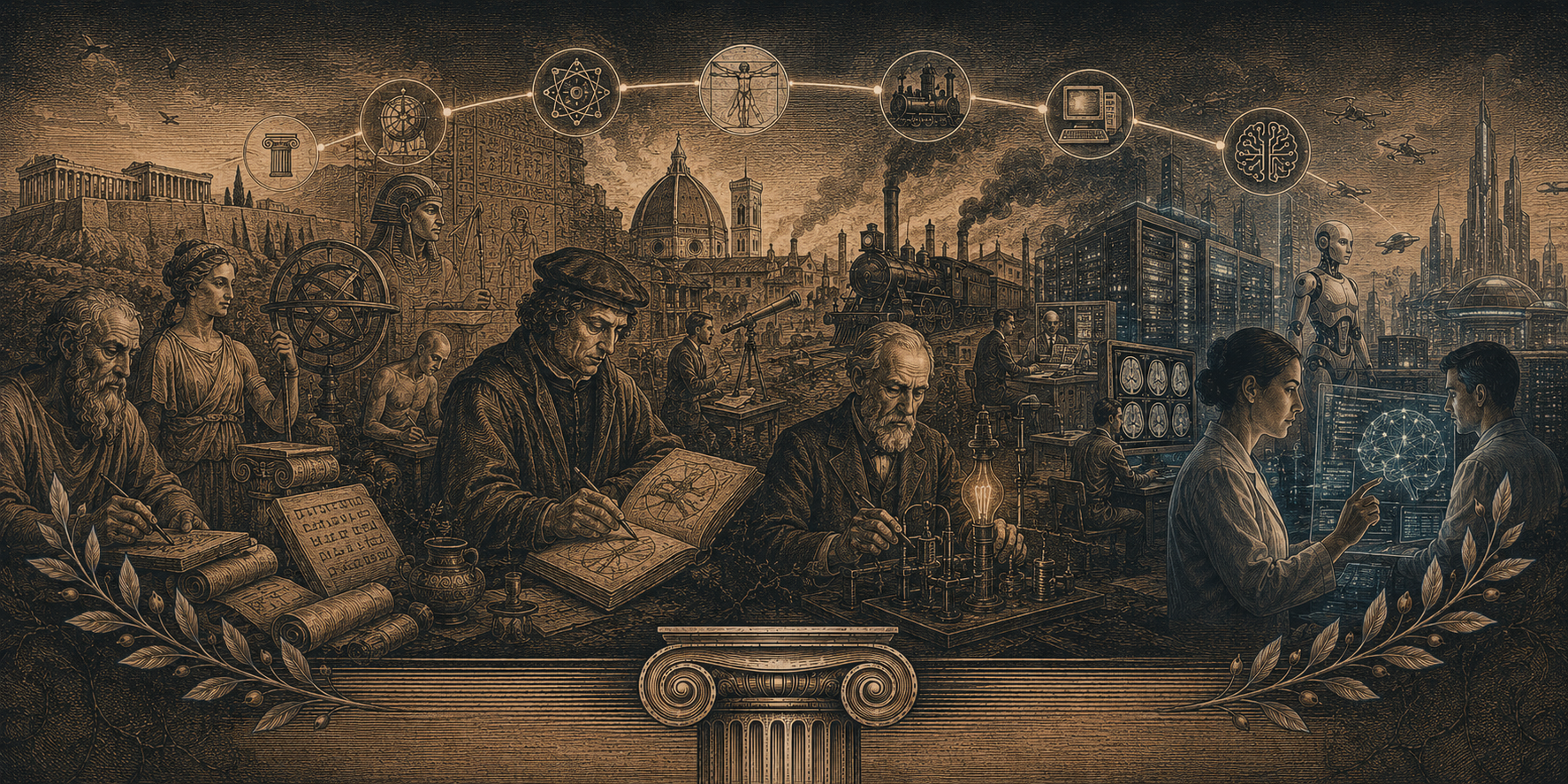 History of AI
Part one of a series on the idea of artificial intelligence before silicon.
Read articleHistory of AIHow thinking became a formal problem before becoming computation.
Read articleHistory of AIBabbage, Ada Lovelace, Turing, and the machine as an intellectual problem.
Read articleHistory of AIData, statistics, and the birth of machine learning.
Read articleHistory of AIThe leap toward deep learning and foundation models.
Read article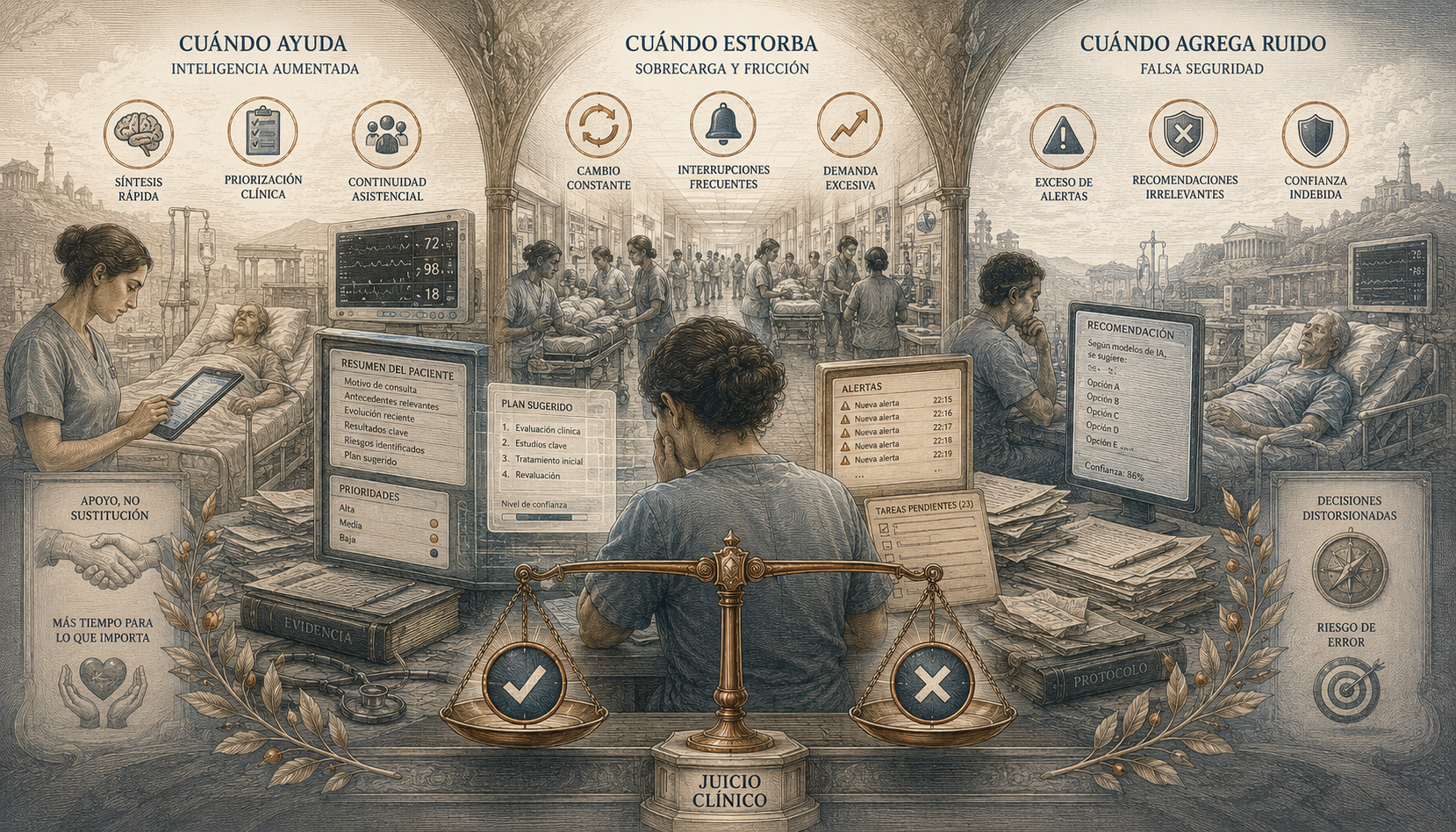 Emergency care and AI
When AI can help in emergency care and when it adds noise, risk, or false security.
Read articleClinical practice and AIWhy AI will not replace the physician, but may profoundly change medical practice.
Read articleHealthcare divideHow AI can widen inequalities if it arrives without infrastructure, data, or governance.
Read articleClinical judgmentAutomation bias and the risk of confusing a screen with a clinical decision.
Read article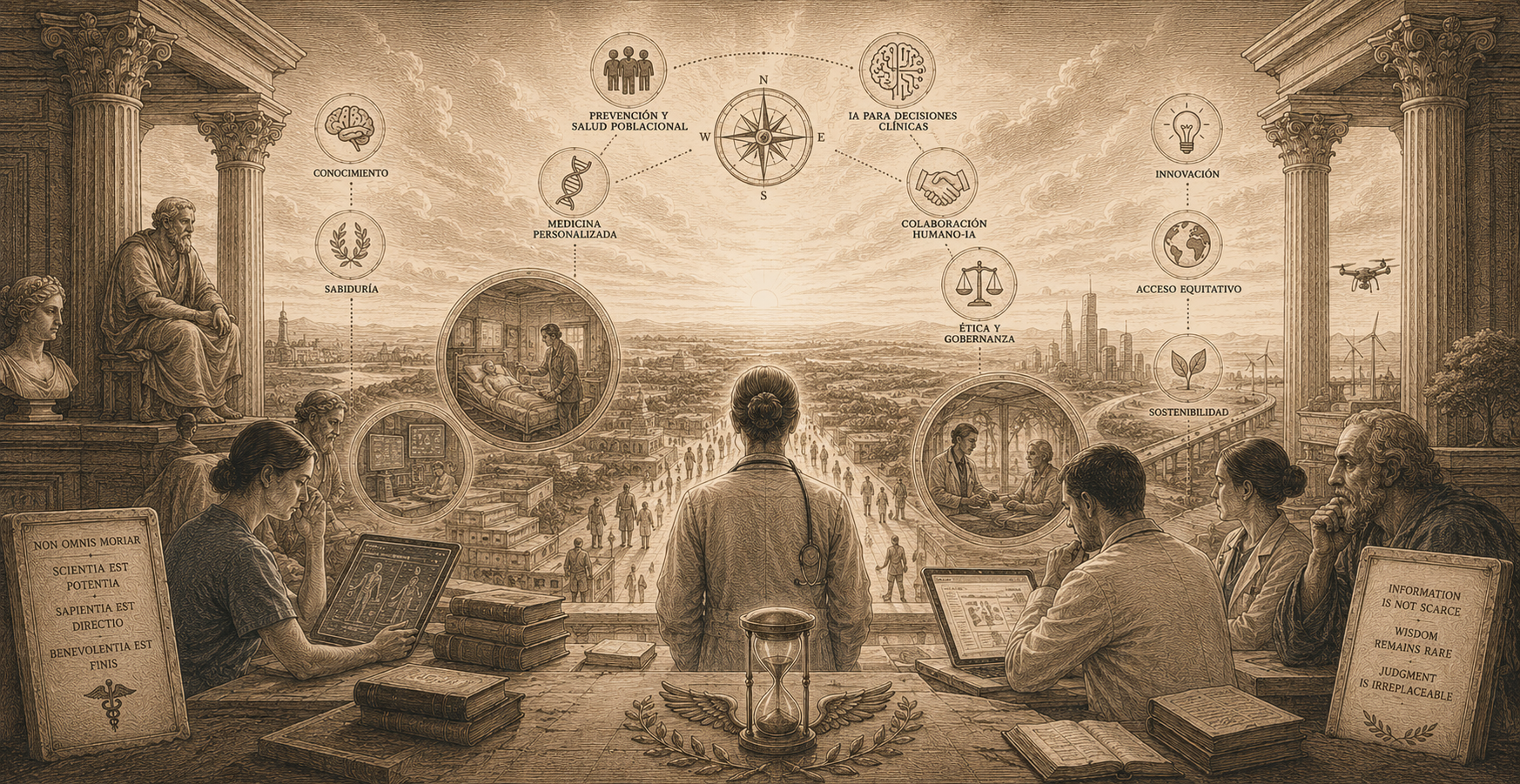 Future of medicine
An open question for a time when information is no longer the scarce resource.
Read article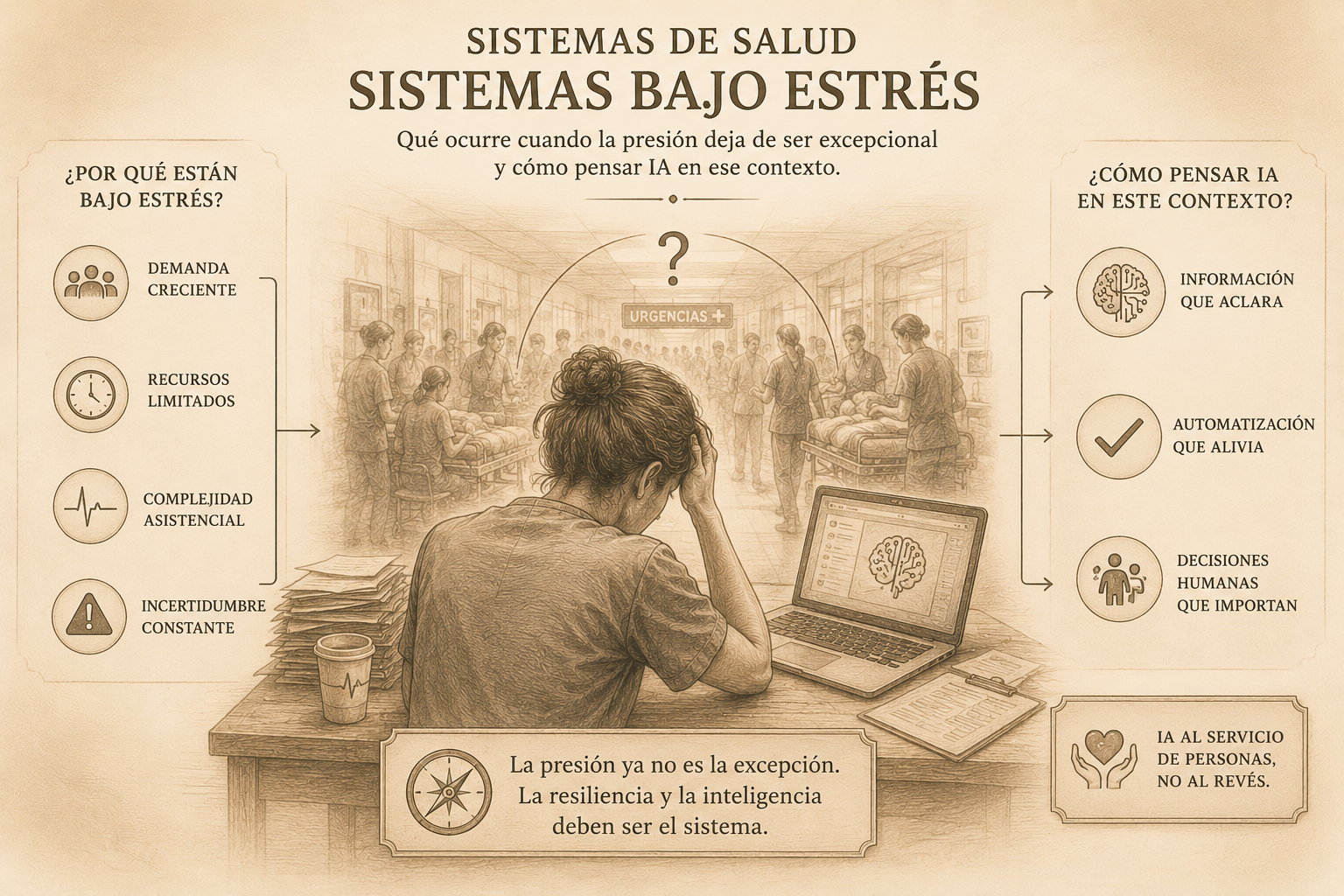 Health systems
What happens when pressure stops being exceptional, and how to think about AI in that context.
Read article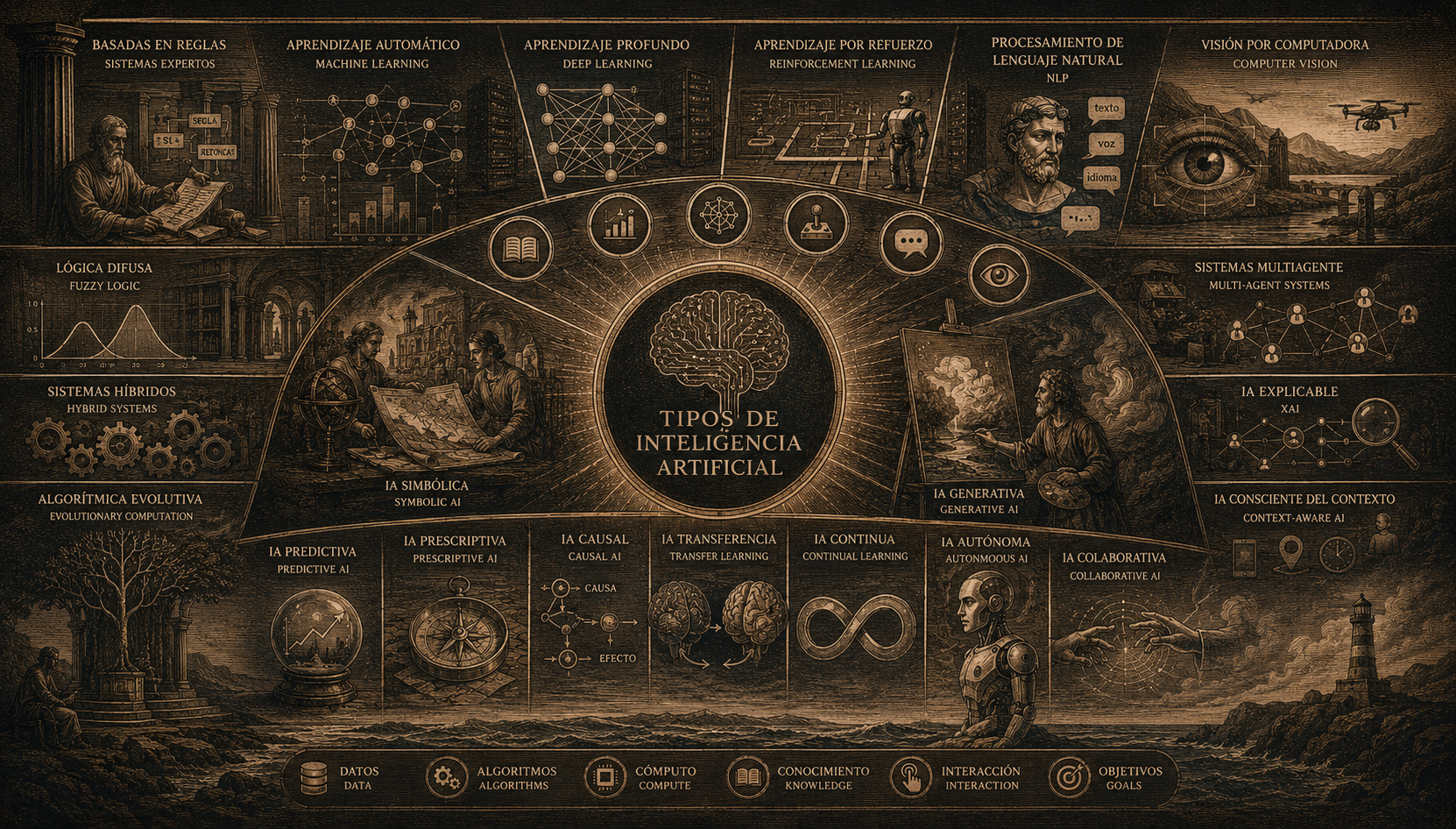 Types of AI
Part one of a series distinguishing types of AI before using them in clinical work.
Read articleTypes of AIThe predictable, the explainable, and its clinical traps.
Read articleTypes of AIMachine learning, probability, and the end of absolute clinical certainty.
Read articleTypes of AIDeep learning, explainability, and ethical limits between support and delegation.
Read articlePublic health and AIOpportunities, limits, and conditions for responsible use in public health.
Read article